











Consumer confidence in the United States weakened sharply in March, as rising gasoline prices and market volatility linked to the Iran conflict weighed on household sentiment, according to the latest survey from the University of Michigan.
The survey’s headline sentiment index fell to 53.3 in March from 56.6 in February, undershooting economists’ expectations of 54.
A preliminary estimate earlier in the month had indicated a reading of 55.5, highlighting a further deterioration in sentiment as the conflict intensified.
“Consumer sentiment fell back 6% this month to its lowest level since December 2025,” said Joanne Hsu, director of the survey.
Impact of war and fuel prices weighs on mood
The decline in sentiment coincided with a sharp rise in fuel costs, as the Iran war disrupted energy markets and pushed gasoline prices higher.
According to data from AAA, average gasoline prices in the United States rose to $3.978 per gallon, up around 33% compared to a month earlier.
Hsu noted that the drop in confidence was broad-based.
“Declines were seen across age and political party,” she said, adding that middle and higher-income consumers experienced particularly steep falls in sentiment.
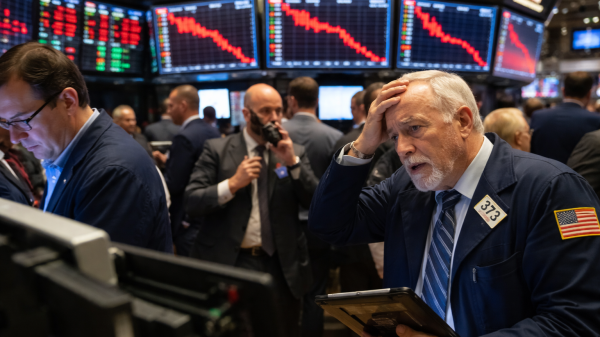
These groups have been hit by both higher fuel costs and a decline in equity markets, with US stocks falling about 6% so far this month, eroding household wealth and confidence.
Short-term outlook deteriorates sharply
The survey showed that the decline was driven largely by worsening short-term expectations, even as longer-term views remained relatively stable for now.
The short-run economic outlook fell 14%, while expectations for personal finances over the next year dropped 10%, reflecting growing anxiety about near-term conditions.
However, she added that consumers have so far remained cautiously optimistic about the longer-term outlook, although that could shift if the conflict persists.
Inflation expectations rise significantly
The survey also highlighted a sharp increase in inflation expectations, adding to concerns for policymakers.
Year-ahead inflation expectations rose to 3.8% in March from 3.4% in February, marking the largest monthly increase since April 2025.
The latest reading remains well above the pre-pandemic range of 2.3% to 3.0%.
Long-term inflation expectations edged down slightly to 3.2%, but remain elevated compared to levels seen before 2020.
“These patterns suggest that, at this time, consumers may not expect recent negative developments to persist far into the future,” Hsu said.
“These views are subject to change, however, if the Iran conflict becomes protracted or if higher energy prices pass through to overall inflation.”
Policy implications in focus
Rising inflation expectations are closely monitored by the Federal Reserve, as they can influence consumer behaviour and wage demands.
If households anticipate higher prices, they may increase spending in the near term and push for higher wages, potentially reinforcing inflationary pressures.
The latest data underscores the delicate balancing act facing policymakers, as they navigate a complex environment of geopolitical uncertainty, rising energy costs, and fragile consumer confidence.
With sentiment now at one of its lowest levels in recent months, the trajectory of the Iran conflict and energy prices will remain key determinants of the economic outlook in the coming weeks.
The post US consumer sentiment falls sharply in March on rising fuel prices, volatility appeared first on Invezz