


Tesla stock (NASDAQ: TSLA) faced some beating on Wednesday after Elon Musk announced that Tesla will stop selling Full Self-Driving (FSD) as a standalone purchase option after February 14, 2026.
The company will be shifting the system exclusively to a $99-per-month subscription model, Elon Musk added.
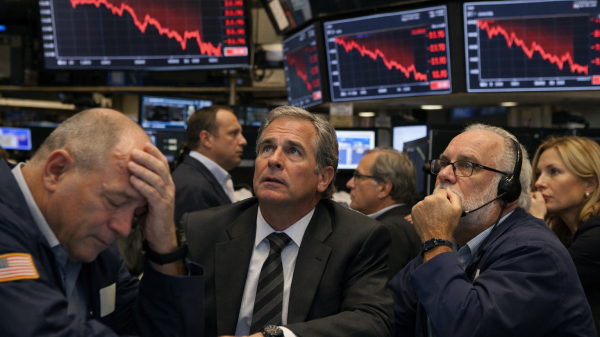
The surprise move knocked Tesla’s stock down roughly 1.5% down in early trading, signaling that Wall Street has already begun weighing the strategic gamble.
The pivot accelerates Tesla’s push toward recurring software revenue but raises immediate questions about adoption economics and customer backlash.
The investors are assessing whether the strategy can actually deliver the cash flow boost Musk needs heading into an earnings season fraught with concerns over declining vehicle sales.
For anyone considering buying FSD outright, the math just changed dramatically.
Tesla has been selling the system for $8,000 one-time or $99 monthly.
At the monthly rate, breaking even on the upfront cost takes nearly 6.8 years, a timeline that assumes you keep the car and remain a subscriber the entire time.
Tesla stock: What Elon Musk’s move really means
The subscription-only shift isn’t accidental. Tesla is chasing recurring revenue, the kind of predictable, monthly cash flow that software companies command in the stock market.
Recurring revenue is “stickier” than lumpy one-time sales; it’s easier to forecast and more valuable to investors.
The timing is also revealing. Musk’s newly approved compensation package ties massive stock awards to hitting 10 million active FSD subscriptions over the next decade.
Currently, Tesla has roughly 3 million subscribers, so the subscription model removes a barrier that might have kept potential customers on the fence.
For new buyers, the lower psychological barrier of $99 per month instead of an $8,000 hit is intentional.
Tesla hopes that spreading the cost makes FSD more appealing to mainstream buyers, not just early adopters. The company is betting that low-cost trials convert into long-term subscribers, especially as the software improves.
Read More: 3 reasons why Tesla stock (TSLA) could be a ‘buy’ ahead of Q4 earnings
The downside trap
But here’s what could unravel this plan. In the short term, Tesla loses substantial cash. A new buyer who would have paid $8,000 upfront now contributes only $1,188 annually.
At current subscription rates, it takes nearly seven years to recover that forgone revenue, and most owners may not stick around that long.
That’s a material cash flow hit for Q1 and Q2 2026, when Tesla is already struggling with declining global vehicle sales and a 15.6% drop in Q4 deliveries.
Second, there’s regulatory risk. The National Highway Traffic Safety Administration is investigating 2.88 million Tesla vehicles equipped with FSD after over 50 reports of traffic safety violations.
If regulators restrict or recall FSD, subscription revenue could evaporate mid-stream.
Third, Musk has spent years marketing FSD as an “appreciating asset,” essentially telling customers to buy now because the system would eventually become fully autonomous.
Subscription customers don’t own anything; they rent access to a service still in development. If FSD software doesn’t improve materially, subscribers will cancel.
The post Tesla stock plunges on Wednesday: why Elon Musk’s latest move may backfire appeared first on Invezz