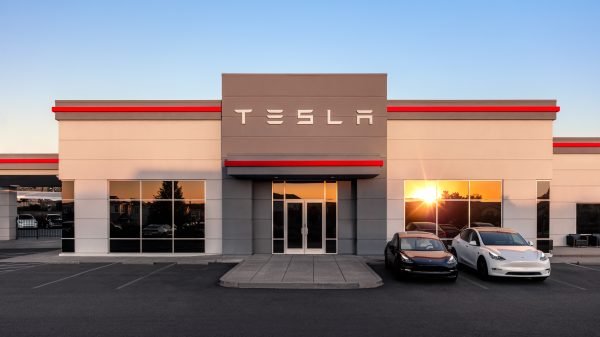
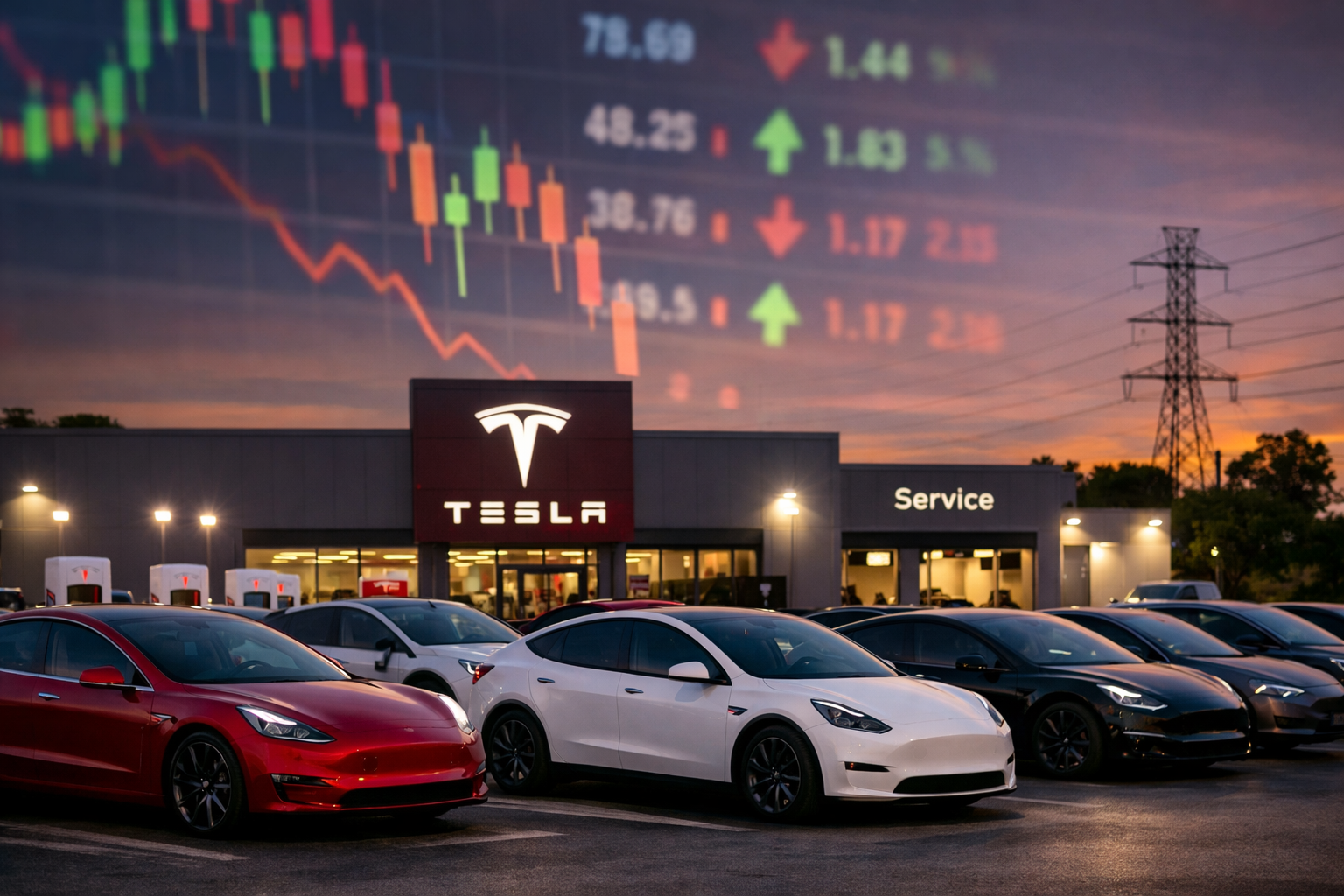
Tesla is retiring its Model S and Model X as it reallocates resources toward autonomous driving, robotics, and artificial intelligence.
The shift, driven by CEO Elon Musk, highlights a broader strategy to prioritize software and automation over legacy models.
Shares also moved higher intraday on reports of potential tie-ups among Musk’s companies, putting market attention on Tesla’s investment plans and the risks and rewards of its next chapter.
Tesla retires Model S and Model X, demand shifted to newer models
The Model S and Model X helped establish Tesla’s brand and showed that electric vehicles could compete with traditional cars.
Over time, however, demand for the two models fell as newer, lower-priced vehicles like the Model 3 and Model Y gained traction.
According to the company’s framing of the decision, dropping the S and X aligns with a long-term pivot toward AI and self-driving.
The company’s overall revenue sales slipped 3% last year from 2024, with the higher costs of the S and X and lower demand making them less central to the current growth plan.
Autonomy, robots, and AI infrastructure move to the forefront
Tesla is concentrating on driverless vehicles and robotics, including its Optimus humanoid robot, which the company views as an extension of the AI systems used in self-driving technology.
Musk announced Tesla will be investing $2 billion into xAI and signaled it is likely to build a semi-conductor manufacturing facility to support this vision.
Management sees transportation shifting from car ownership to autonomous services over time.
These ambitions carry regulatory and spending risks, but they represent where Tesla believes the greatest long-term potential lies.
Stock jumps on merger headlines, though details remain speculative
Tesla stock rose by as much as 5.6% today after Bloomberg and Reuters reported a possible merger with SpaceX, with discussions also taking place between SpaceX and Musk’s AI company, xAI.
The move is more speculative than fact-based, reflecting investor interest in Musk’s ecosystem and the role capital markets could play in funding growth.
Source reporting outlined potential synergies, such as Tesla’s energy storage supporting SpaceX satellites and starships, and the Optimus robot working in SpaceX facilities or on missions.
If future investment follows, it could reinforce Tesla’s plans, including the $20 billion in capital spending recently announced to support robotaxi and Optimus growth.
What to watch from here
In the near term, the stock may remain volatile as Tesla increases spending to build autonomy, robotics, and AI at scale.
Over the long term, the outcome will depend less on retiring legacy vehicles and more on whether Tesla executes its strategy to become a leader in autonomous technology and artificial intelligence.
The decision to end the S and X underlines Tesla’s willingness to move on from products that no longer fit its vision, while betting that software, automation, and AI infrastructure can drive the next phase of growth.
The post Tesla stock in focus as Model S and X retire, merger talks draw attention appeared first on Invezz